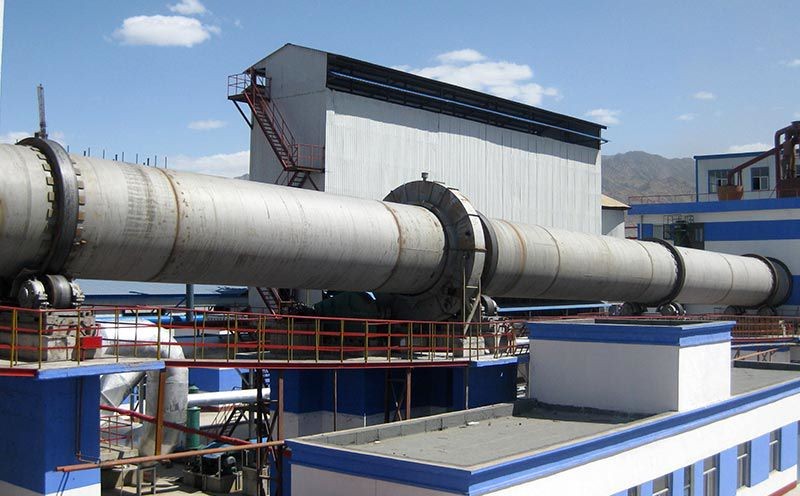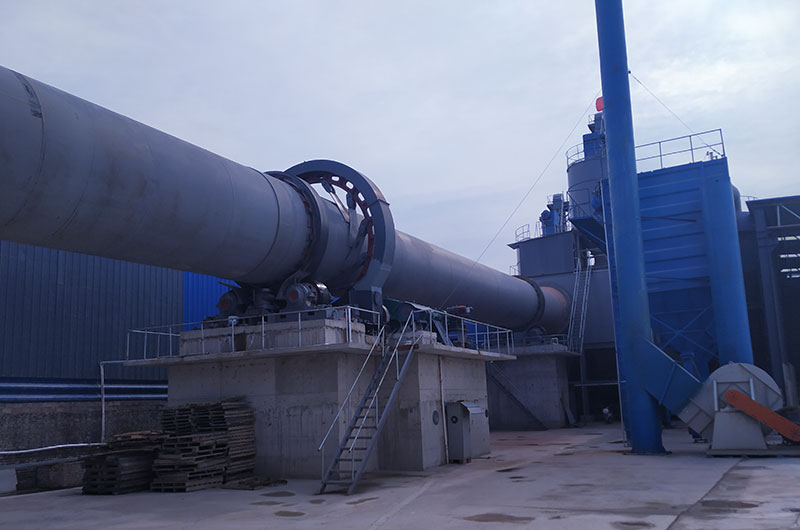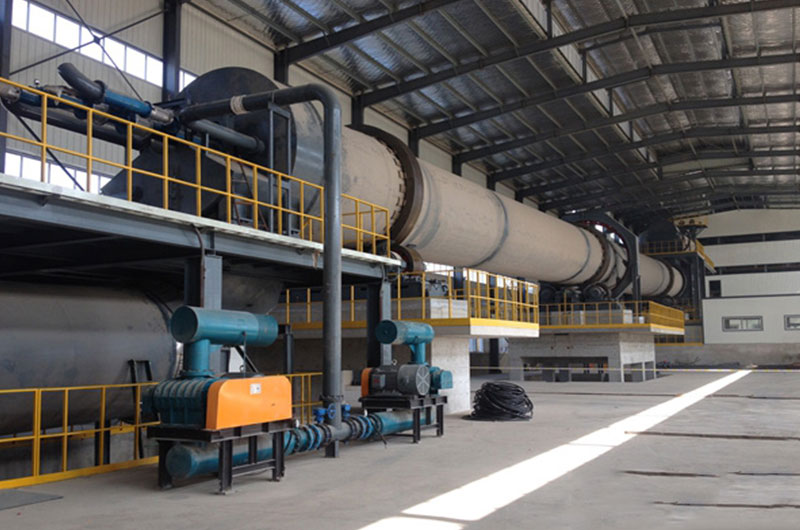
For industries ranging from cement and lime production to metallurgy and waste processing, the rotary kiln is the thermal heart of the operation. Its performance directly dictates product quality, energy consumption, and overall profitability. However, the path to optimal rotary kiln performance is a continuous balancing act. Investing in cutting-edge efficiency can lead to prohibitive costs, while prioritizing low initial expenditure may result in frequent downtime and high operational expenses. The key to success lies in a holistic approach that strategically balances efficiency, durability, and cost throughout the kiln's lifecycle. At Henan Hongke Machinery, we engineer solutions that master this balance, ensuring our clients achieve sustainable and profitable production.
1. The Pillar of Efficiency: Maximizing Output and Minimizing Waste
Operational efficiency is not a single metric but a symphony of thermal, mechanical, and process optimizations. A truly efficient rotary kiln achieves maximum heat transfer to the material, minimizes energy loss, and ensures consistent product quality with minimal fuel consumption.
Advanced Combustion and Heat Management: Modern efficiency begins at the burner. Technologies like oxy-fuel combustion with flue gas recirculation (FGR) can significantly enhance heat transfer and reduce flame length, leading to more concentrated thermal energy and improved clinker production . Furthermore, optimized primary air systems, including the integration of hot-blast air, have been proven to lower energy consumption, reduce flue gas emissions, and increase production output .
Intelligent Process Control: The integration of Industry 4.0 is revolutionizing kiln efficiency. Smart sensors provide real-time data on temperature profiles, material flow, and emissions. When analyzed by AI and machine learning algorithms, this data allows for predictive adjustments that fine-tune fuel-air ratios, kiln speed, and feed rates. This creates a closed-loop system that constantly optimizes for peak performance, effectively reducing the energy intensity per ton of product .
Material Pre-Processing and Reactivity: Efficiency starts before material enters the kiln. The properties of the raw feed—such as particle size, moisture content, and reactivity—profoundly impact heat transfer and residence time. Studies show that using techniques like pre-heating or pre-reducing materials, such as manganese ore, in a rotary kiln can save substantial energy in downstream smelting processes . Henan Hongke Machinery designs systems that consider the entire production chain, from raw material preparation to final output, to unlock these synergistic efficiencies.
2. The Foundation of Durability: Engineering for Longevity and Reliability
Durability is the safeguard of your investment. A kiln that suffers frequent breakdowns or requires constant maintenance erodes profitability through lost production and repair costs. Building for durability means selecting superior materials, implementing smart maintenance, and designing for robust mechanical integrity.
High-Performance Materials and Construction: The selection of materials for the kiln shell, refractory lining, and components is critical. Using high-temperature resistant steel-ceramic composites allows kilns to withstand extreme operating temperatures up to 1600°C and beyond, directly extending service life . Corrosion-resistant materials are equally vital for handling aggressive industrial atmospheres, ensuring the structural body endures harsh conditions over decades .
Predictive and Condition-Based Maintenance: Moving beyond scheduled time-based maintenance, modern durability relies on condition monitoring. Techniques such as thermal imaging, vibration analysis, and ultrasonic thickness gauging allow engineers to detect issues like shell deformation, bearing misalignment, or refractory wear early, before they lead to catastrophic failure . This predictive approach minimizes unplanned downtime and extends the intervals between major overhauls. Comprehensive lifecycle cost analysis confirms that investing in such advanced maintenance protocols yields a higher return by preventing costly breakdowns .
Modular and Upgradeable Design: Forward-thinking design accommodates future needs. A modular approach, as featured in Henan Hongke Machinery's base model rotary kilns, allows for rapid reconfiguration and incremental upgrades . This flexibility protects your initial investment, enabling you to adapt to changing market demands or integrate new efficiency technologies without a complete system replacement.
3. Mastering the Cost Equation: Strategic Investment and Lifecycle Optimization
The true cost of a rotary kiln is not its purchase price, but its Total Cost of Ownership (TCO) over its entire lifespan. A strategic approach balances higher initial capital expenditure with significantly lower long-term operational expenses.
Initial Investment vs. Long-Term Savings: A lower-cost kiln may seem appealing initially, but it often translates to higher fuel consumption, more frequent maintenance, and shorter operational life. In contrast, investing in a kiln with superior energy efficiency, robust construction, and advanced control systems pays dividends. For example, premium ceramic insulation and optimized heat recovery systems can reduce heat loss and fuel usage by up to 30%, delivering dramatic cost savings year after year .
Targeted Retrofits for Cost Reduction: Existing operations can achieve major cost savings through strategic retrofits. Projects focusing on optimizing combustion fuel, such as reducing natural gas supplement in waste incineration kilns, have demonstrated reductions in auxiliary fuel consumption by over 1000% . Similarly, implementing oxygen carrier aided combustion can improve fuel conversion and reduce harmful emissions, lowering both raw material and compliance costs . Henan Hongke Machinery specializes in analyzing existing systems to identify and implement such high-impact, cost-saving modifications.
Customization for Application-Specific Value: There is no one-size-fits-all kiln. The optimal balance of efficiency, durability, and cost depends entirely on your application—whether you are calcining lime, producing sponge iron, or processing hazardous waste. Henan Hongke Machinery offers a tiered model system (Base, Advanced, Pro) to precisely match your production scale, material corrosivity, and temperature requirements . This ensures you invest in the capabilities you need, avoiding over-specification and wasted capital.
Henan Hongke Machinery: Your Partner in Balanced Rotary Kiln Solutions
At Henan Hongke Machinery, we don't just build rotary kilns; we engineer integrated thermal solutions designed to excel in the real-world balance of efficiency, durability, and cost. Our expertise is built on a deep understanding of thermodynamics, materials science, and industrial process economics.
From providing high-temperature resistant steel/ceramic composite kilns with customizable insulation and burner configurations to designing systems with smart monitoring for predictive maintenance, we equip our clients for success. Our commitment is to deliver a rotary kiln that is not merely a piece of equipment, but a reliable, efficient, and cost-effective cornerstone of your production line for years to come.
Ready to optimize your thermal processing? Contact the experts at Henan Hongke Machinery to discuss how we can tailor a rotary kiln solution that perfectly balances performance and economics for your specific needs.